Apharwat

Materials | Sustainability | Manufacturing
Project Overview
Organic fibre based composite materials that can be used as a high-performance replacement for fibreglass.
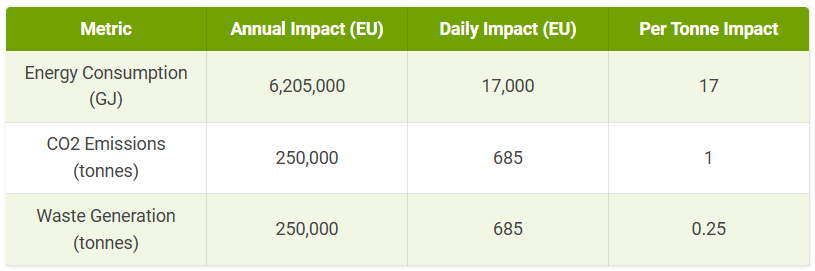
Fibreglass makes up a highly functional part of the construction of a snowboard and a pair of skis, yet it is a material that lacks ecologically sustainable end-of-life solutions.

The current solutions revolve around shredding and incinerating the material, which increases the carbon footprint significantly post manufacturing.
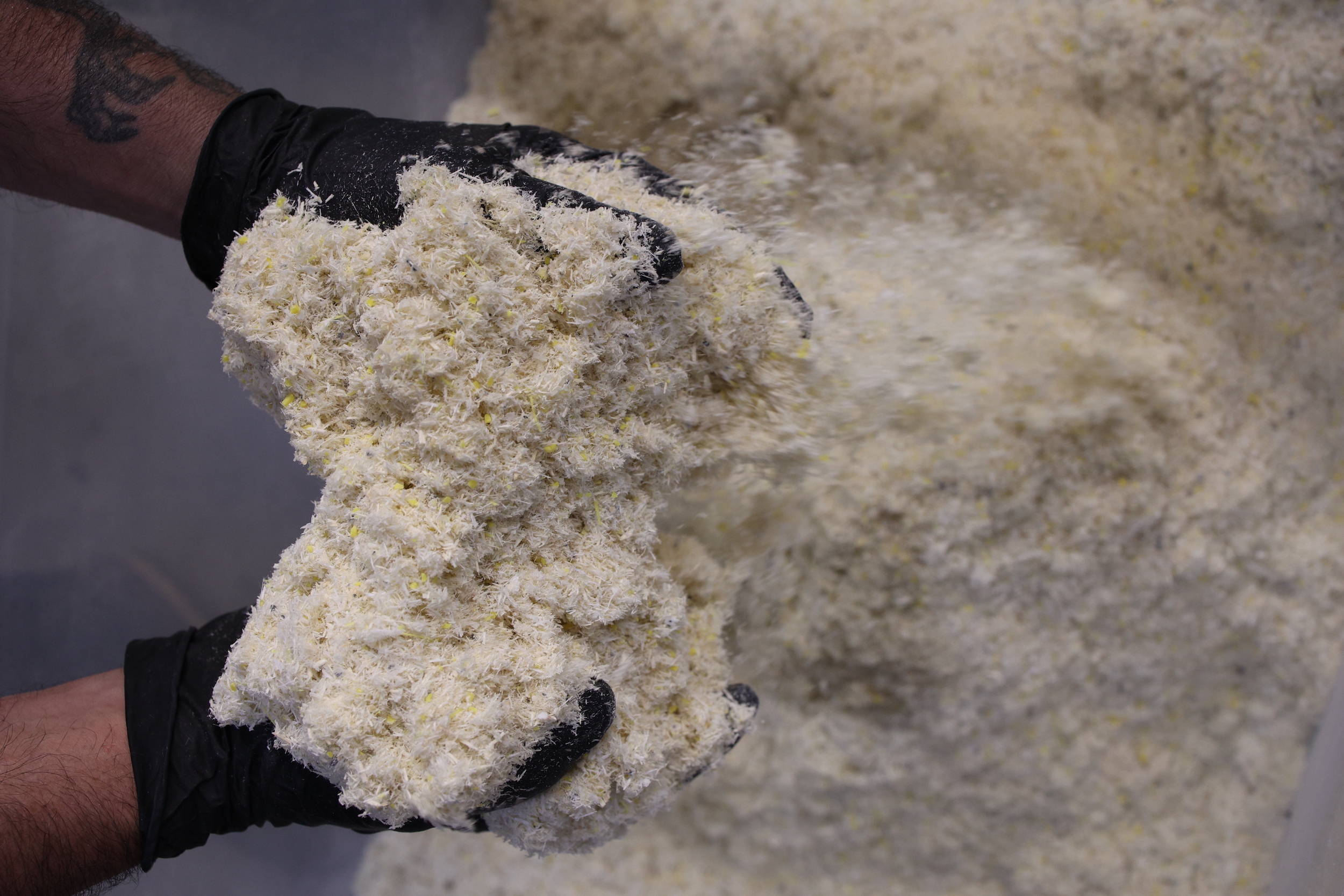
Image showing a person holding fibreglass powder in their hands, with a big pile of fibreglass powder in the background
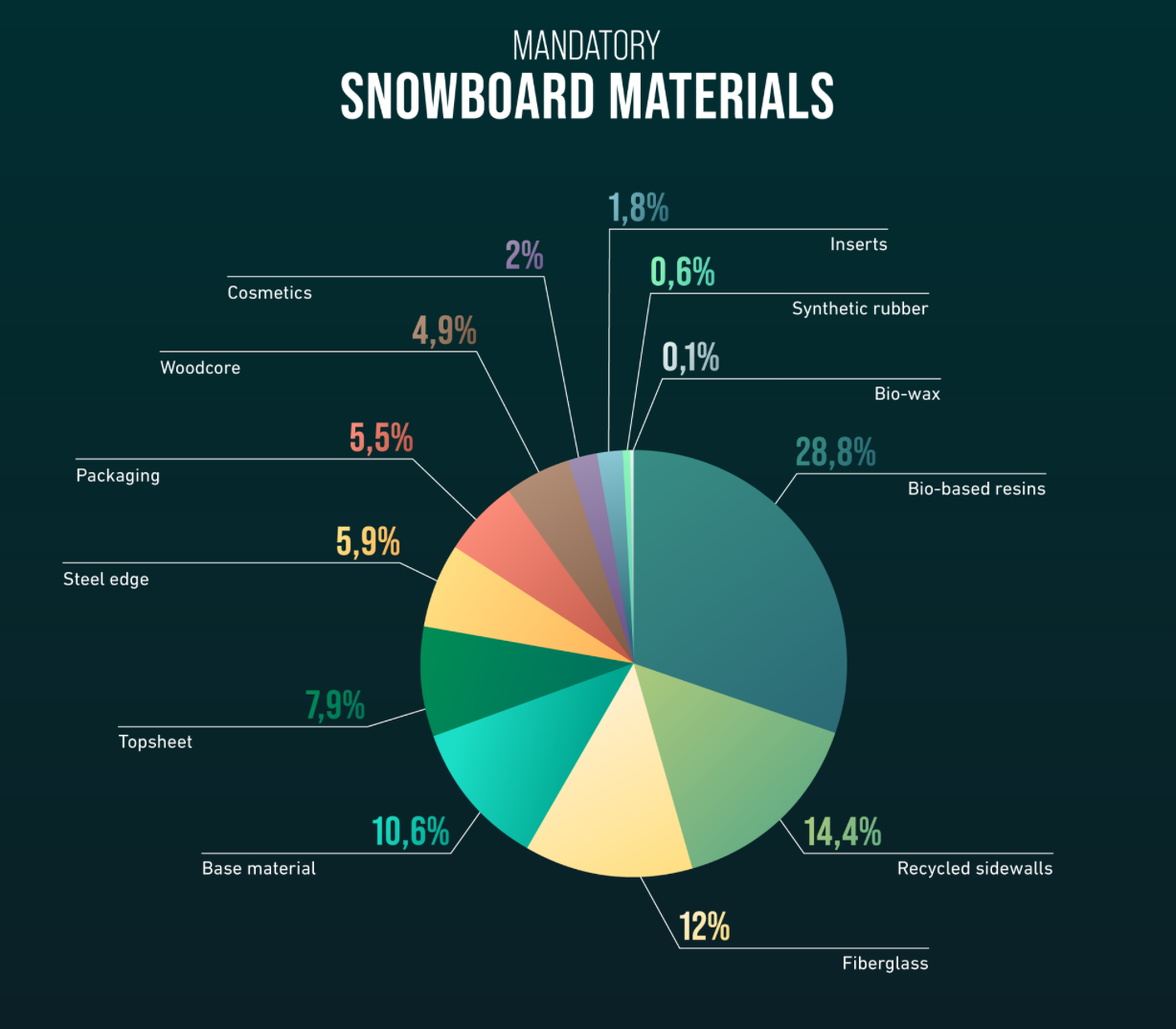
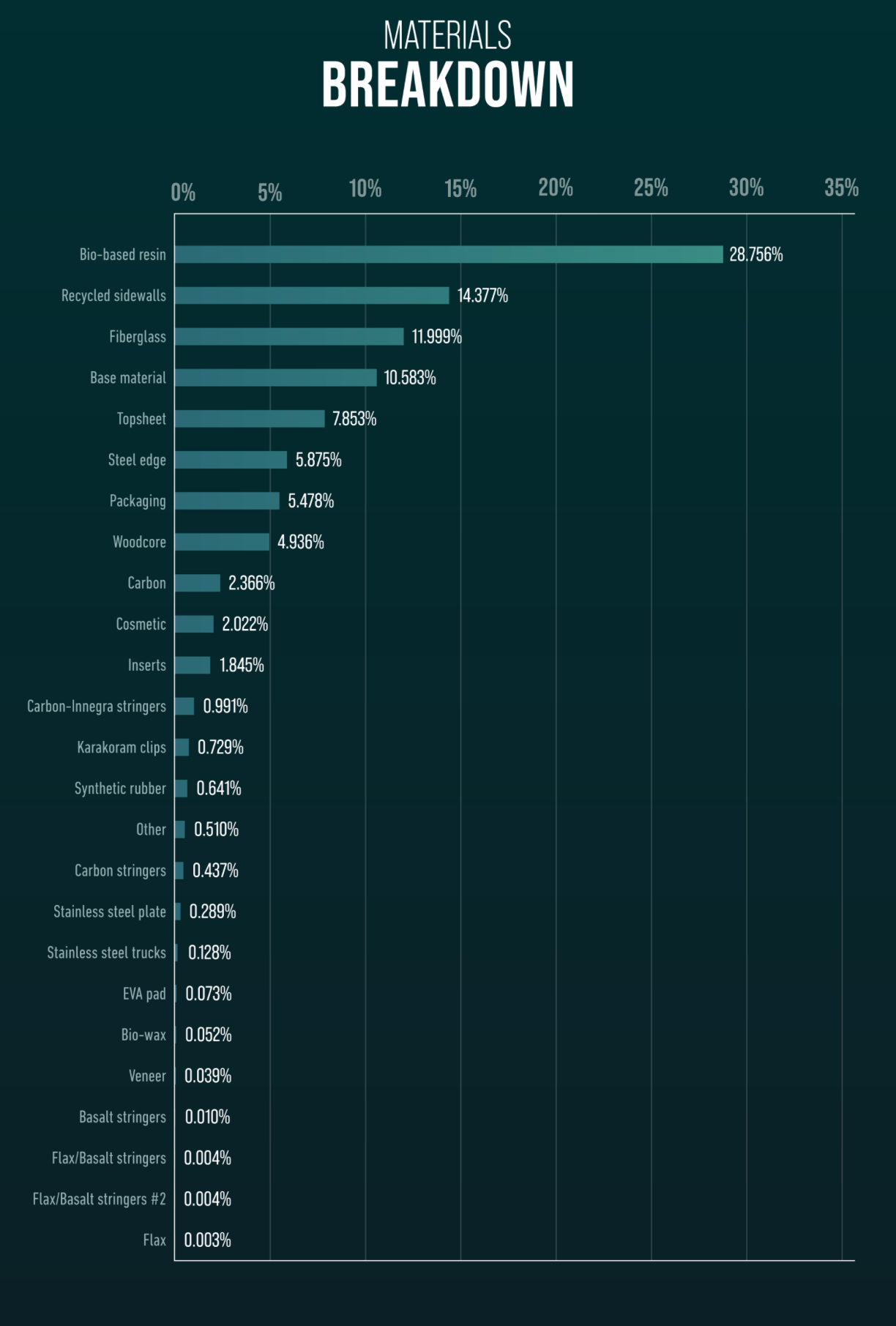
Fibreglass makes up the third highest concentration of the materials in a snowboard. There have been alternatives for many of the other parts in the manufacturing of skis and snowboards, for all except the fibreglass itself. We have seen replacements in the form of more sustainable wood species and production, using recycled steel for the edges, and recycled plastic for the base.
These developments have come alongside changes in printing technologies, which have reduced the effects of the graphics.

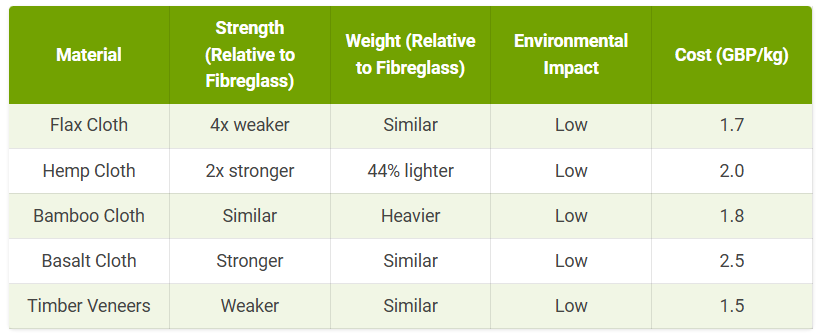
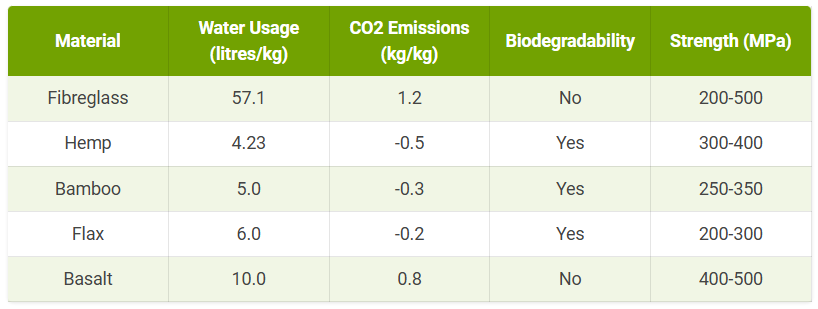
Natural fibres provide a high-performance alternative to fibreglass, while preserving a similar level of strength.
This is particularly important while reinforcing a resin sandwich, as is created in the manufacturing of snowboards and skis.

A pie chart showing the percentages of the mandatory materials in a snowboardA bar graph showing the percentage breakdowns of materials in a snowboardAn image showing the energy consumption, C O 2 emissions and waste generation of fibre glass production annually, daily and per tonneA table showing the strength, weight, environmental impact and cost comparison between flax cloth, hemp cloth, bamboo cloth, basalt cloth and timber veneersA table showing the comparison of water usage, c o 2 emissions, biodegradability and strength between fibreglass, hemp, bamboo, flax and basalt
Experiments were created with different layups to test the strength and flexibility of the natural fibres in a bio-based resin matrix, and to be compared with similar samples created out of traditional fibreglass processes.

The test layups were created using different weights of cotton, using an industry standard epoxy containing ~35% plant based content.

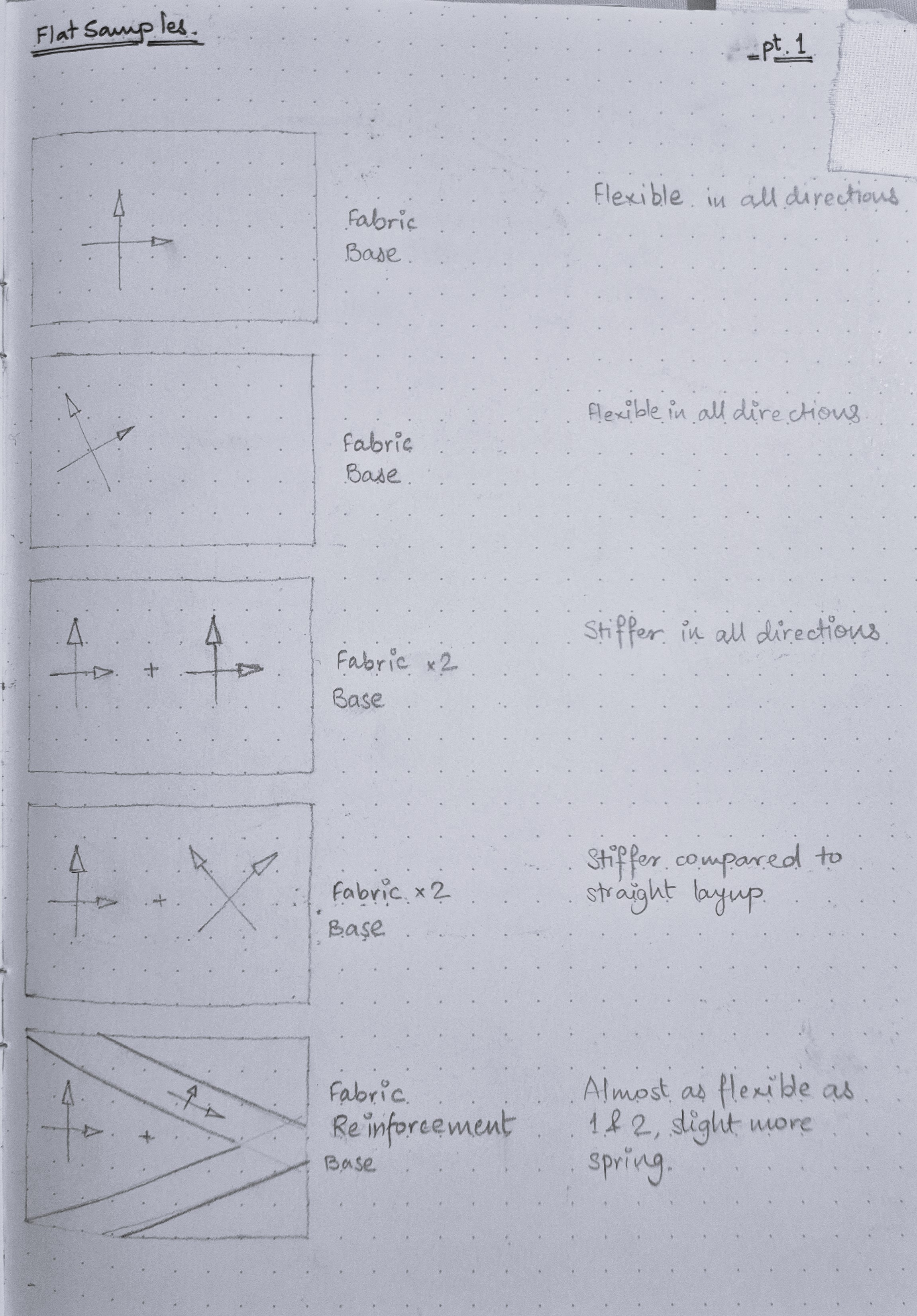
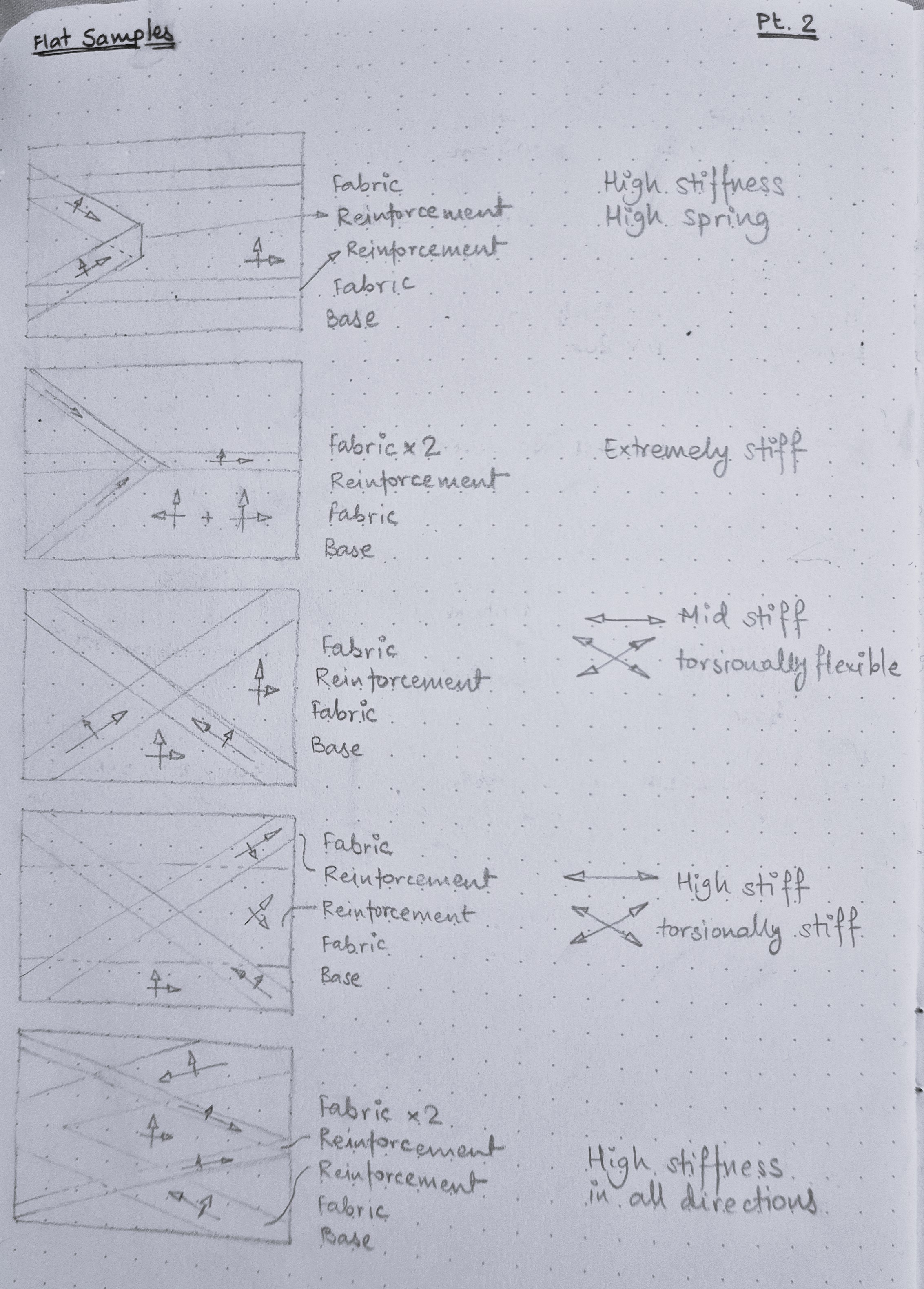
The different layups provided insights into the strength and flexibility in terms of grain direction, layer count, interweaving grain directions and selective reinforcement to create maximum performance.
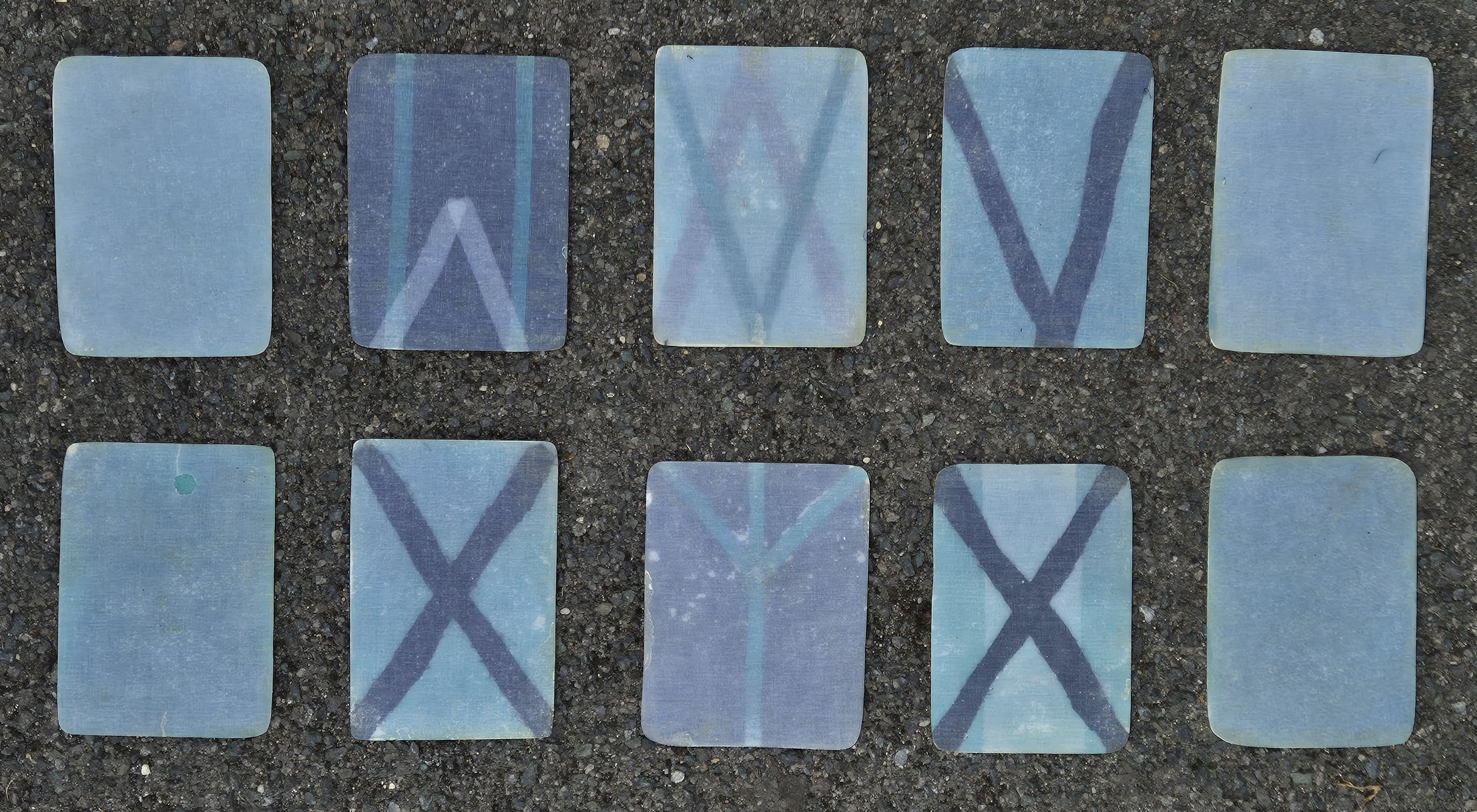
Part 1 of an image showing hand drawn diagrams describing the fabric weave layup for experimental samplesPart 2 of an image showing hand drawn diagrams describing the fabric weave layup for experimental samplesI mage showing 10 experimental samples of cotton fabric based layup